.jpg)


Optimizing Your Nervous System Wellness
The nervous system is the command center of our body. It controls everything from movement to sensation, thought to emotion. Maintaining its optimal function is essential for overall health and well-being. In my experience, focusing on nervous system wellness is not just about avoiding illness but enhancing life quality. This post will guide you through practical steps to support and optimize your nervous system, helping you feel balanced, energized, and resilient.
Understanding Nervous System Wellness
Nervous system wellness means keeping your brain, spinal cord, and peripheral nerves functioning smoothly. This system transmits signals that regulate bodily functions and respond to the environment. When it works well, you experience clear thinking, steady moods, and physical coordination. When it falters, symptoms like fatigue, pain, or cognitive fog can arise.
The nervous system has two main parts: the central nervous system (CNS), which includes the brain and spinal cord, and the peripheral nervous system (PNS), which connects the CNS to limbs and organs. Both need care to maintain their health.
To promote nervous system wellness, I recommend a holistic approach that includes lifestyle habits, nutrition, physical activity, and stress management. Each element supports the nervous system’s ability to repair and adapt.

Lifestyle Habits That Support Nervous System Wellness
Simple daily habits can have a profound impact on your nervous system. Here are some key practices I find effective:
Prioritize Sleep: Sleep is when the nervous system consolidates memories and clears toxins. Aim for 7-9 hours of quality sleep each night. Establish a consistent bedtime routine and create a dark, quiet environment.
Stay Hydrated: Water is essential for nerve signal transmission. Dehydration can slow down cognitive function and cause headaches.
Limit Toxins: Avoid excessive alcohol, smoking, and recreational drugs. These substances can damage nerve cells and impair communication within the nervous system.
Practice Mindful Breathing: Deep, slow breathing activates the parasympathetic nervous system, promoting relaxation and reducing stress hormones.
Incorporating these habits gradually can lead to noticeable improvements in how you feel day-to-day.
Nutrition for Nervous System Wellness
What you eat directly affects your nervous system’s function. Nutrients support nerve repair, neurotransmitter production, and protect against oxidative stress. Here are some nutritional tips I emphasize:
Include Omega-3 Fatty Acids: Found in fish like salmon and flaxseeds, omega-3s support brain cell membranes and reduce inflammation.
Eat Antioxidant-Rich Foods: Berries, leafy greens, and nuts help neutralize free radicals that can damage nerve cells.
Get Enough B Vitamins: Vitamins B6, B12, and folate are crucial for nerve health and energy metabolism. Sources include eggs, meat, and fortified cereals.
Maintain Balanced Blood Sugar: Avoid spikes and crashes by eating regular meals with complex carbohydrates, protein, and healthy fats.
A well-rounded diet fuels your nervous system and helps maintain its resilience over time.

The Role of Chiropractic Care in Nervous System Wellness
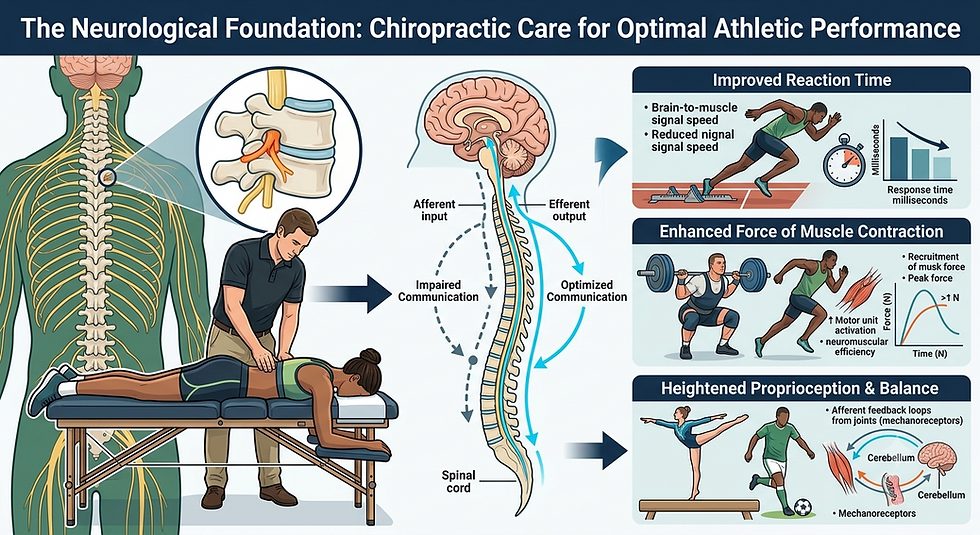
Chiropractic care plays a vital role in optimizing nervous system function. The spine houses the spinal cord, a critical part of the central nervous system. Malpositioned bones or subluxations can interfere with nerve signals, leading to discomfort and reduced function.
Regular chiropractic adjustments help restore proper alignment, improving communication between the brain and body. This can reduce pain, enhance mobility, and support the body's natural healing processes.
At Fall Chiropractic in Cambridge, Ohio, we focus on making spinal care accessible and affordable for families and individuals. Our goal is to help you maintain nervous system wellness through gentle, effective care tailored to your needs.
Managing Stress to Protect Your Nervous System
Chronic stress is one of the biggest threats to nervous system wellness. When stress persists, the nervous system remains in a heightened state of alert, which can lead to fatigue, anxiety, and physical symptoms like muscle tension.
To manage stress effectively, I suggest:
Regular Physical Activity: Exercise releases endorphins, natural mood boosters that calm the nervous system.
Mindfulness and Meditation: These practices help you observe thoughts without judgment, reducing the impact of stress.
Social Connection: Spending time with supportive people can buffer stress and promote feelings of safety.
Setting Boundaries: Learn to say no and prioritize activities that nourish your well-being.
By integrating these strategies, you can protect your nervous system from the damaging effects of stress and improve your overall quality of life.
Taking the Next Step Toward Nervous System Wellness
Optimizing your nervous system wellness is a journey that combines daily habits, nutrition, stress management, and professional care. By paying attention to these areas, you empower your body to function at its best.
If you want to learn more about how to support your nervous system health, consider scheduling a consultation. Regular chiropractic care, combined with lifestyle adjustments, can make a significant difference in your vitality and well-being.
Remember, your nervous system is the foundation of your health. Treat it with care, and it will serve you well for years to come.


Comments